Sorry Were Not Able to Process the Label at This Time
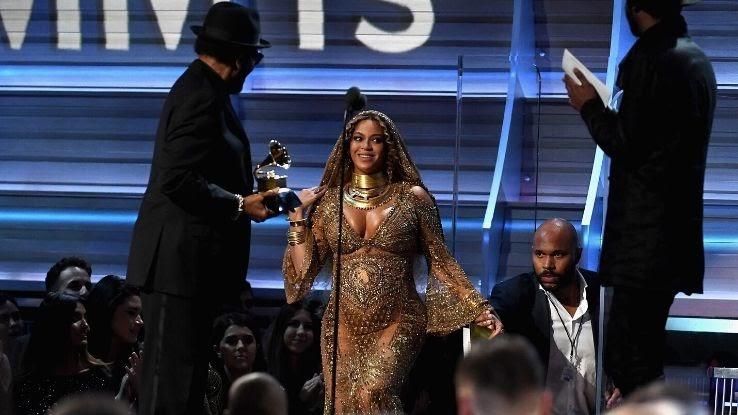
On Midweek, June 10, the Grammys dropped the term "urban" from what was formerly known as the Best Urban Gimmicky Album category, and this relatively new award was rebranded equally Best Progressive R&B Anthology. Commonwealth Records, the label that represents Nicki Minaj, The Weeknd and Drake, is among several other record companies that appear they likewise volition no longer use the term in describing everything from music genres to employee titles.
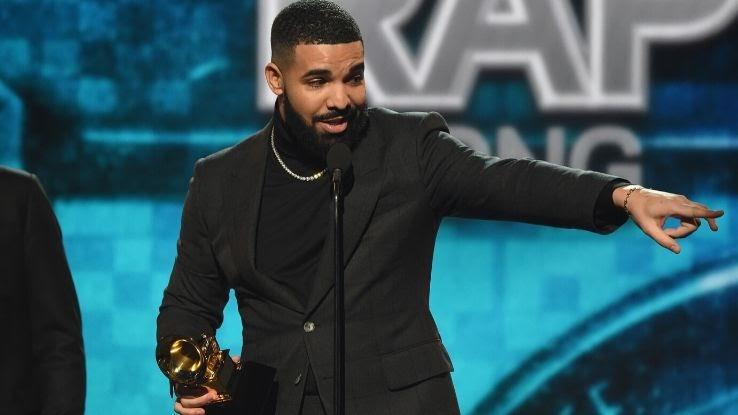
More and more artists and executives have started calling for the removal of "urban" every bit a characterization in the music industry, including the winner of the 2020 Grammy for All-time Rap album — Tyler, the Creator — who described the term as a "politically right way to say the Due north-word." Although it once had its place in the radio industry — all the style back in the 1970s — "urban" today bears racial undertones that alienate the Blackness artists it supposedly represents. It's time the music manufacture does away with this term completely, because, in the words of Republic Records, "urban" has "developed into a generalization of Blackness people" that does nothing but reinforce stereotypes.
Where Did "Urban" Come From?
DJ Frankie Crocker is often credited as beingness the offset person to utilise the term "urban" to describe music. In the mid 1970s, Crocker worked as a DJ and radio plan managing director at New York's then-new station, WBLS-FM. Although his career at the station took off during the meridian of disco — Crocker was a frequent Studio 54 fixture and in one case rode into the club on a white horse — he preferred playing a diverse mix of music from an array of genres that included everything from funk, jazz and R&B to large band, reggae and an emerging style that would eventually take the world by storm: hip-hop.
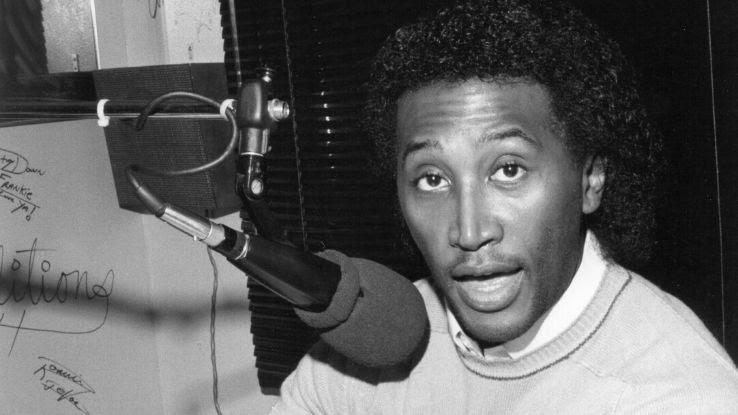
To describe the unique blend of genres that he played on the station, Crocker used the phrase "urban contemporary," probable cartoon from the term "urban radio," which referred to Blackness-run radio stations during the Civil Rights era that used underground codes to tell protestors where to meet for marches. He used his platform to dilate Black voices, equally many of the artists he played during his sets were African American and Caribbean area, and people began positively associating the phrase "urban gimmicky" with the Black artists whose songs frequently appeared on the station. While initially "urban contemporary" described an exciting melange of musical styles on one radio show, others took the term and ran with information technology. Stations beyond the state in other large cities similar Detroit began using the phrase when they played music similar to Crocker's sets. Eventually, every bit things tend to exercise when someone realizes there'south money to be made, "urban contemporary" started to change in meaning to commodify, not correspond, Black artists and their fine art.
Music executives realized they could begin marketing what they saw equally "Black music" to white people without explicitly using words that referred to race, which staved off discomfort in an era when desegregation was still taking place and white flight was dramatically irresolute the faces of American cities — which, possibly ironically, were considered "urban" areas. In order to capitalize on this, executives started calling the music Crocker and others were playing "urban," an cryptic-sounding term that lumped a diversity of genres under ane umbrella term and did little for representation. While this was arguably helpful in that it allowed companies to market music by Black artists to much wider audiences, it likewise allowed them to market to much whiter audiences — at a price.
Labeling music "urban" helped make white listeners and "white executives more comfortable," Billboard executive Gail Mitchell told NPR. While creating new "urban" divisions at record labels and radio stations paved the manner for Black executives to take on burgeoning roles finding and helping Black artists, information technology also allowed white leaders at those organizations to essentially "[box] those executives in. [Urban] was a bad word to the white gatekeepers," Mitchell notes. As the term spread during the 1980s, it became a catchall word that implicitly referred to whatsoever music by Black people — no thing what the genre of a Blackness artist happened to exist, their music was simply "urban." And at that point, the word had picked up enough steam to become mainstream.
The term "urban" being used to describe musical genres wasn't problematic when Crocker practical it at WBLS-FM; it was celebratory and highlighted the multifariousness of the urban metropolis — New York City — that the station called dwelling house. But "urban" became a style of saying "Blackness" without saying Black, and people started using it to refer to all Black artists, regardless of their genres. The word effectively blurred and even erased the identities and differences of the artists (whose creativity should've been honored) in order to make certain the culturally dominant segment of the population didn't feel uncomfortable listening to certain music.
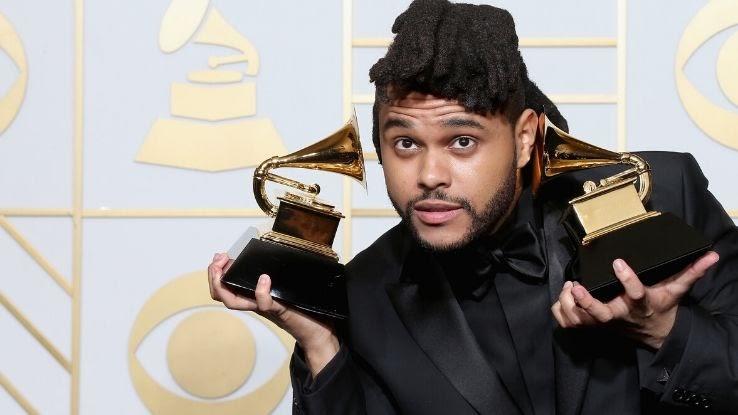
Information technology became a tool of oppression in the music industry, putting limits on Black artists' creativity and Black executives' agency — "they [were] told to stay in their lane," which meant they needed to stick to the genres under the urban umbrella, Mitchell notes. "Urban" became a tool for relegating many Blackness artists to their ain divide niche of music, essentially segregating them to one category and preventing their piece of work from gaining recognition in genres that would've put them on the same level equally white artists. This is seen in the mode the word has been codified past its use as a label in some very prominent ways. At that place are the Grammy awards titles, of course, but record labels have "urban" divisions and radio stations are nonetheless referred to as "urban" when describing the music they play. Even clothing stores are often referred to as "urban" when they sell styles that Black musicians have made popular.
Using the word "urban" to describe music genres has get a lazy style to group together much of today's music by Blackness artists. Information technology creates the impression of a Black-artist monolith that fails to honor, or even take into account, the richly varied origins and talents and the diverse voices and perspectives of Black singers, songwriters, composers, musicians, producers and others who take fought tirelessly to secure their places in the music manufacture. "Urban" racializes music past grouping together artists past race. It doesn't matter how different reggae is from hip-hop or R&B is from rap; it's all grouped together every bit "urban."
The term is problematic considering it marginalizes Black artists, setting them on their own outside the rest of the genres that their music really encompasses. Information technology keeps them on the periphery of the industry and obscures their true impact on music. Historically, it referenced Blackness without naming information technology, implying that at that place was something "wrong" with using the word "Black" considering such an overt reference would make white listeners uncomfortable, and those are unsafe waters to tread. It unfairly prevents artists from accessing genres where they could arguably find more success. Despite this, some artists and executives worry nigh "urban" eventually disappearing.
Are There Downsides to Removing "Urban"?
Although a number of artists, executives and other industry-side by side professionals take criticized the connected use of "urban," some aren't as excited to meet it get. Instead, they're fearful about what it could mean for representation. An bearding source at Republic Records told Elias Leight of Rolling Stone that some Blackness employees were worried nearly the change, saying, "Their fear is, does getting rid of the term take away our spot?" Leight goes on to notation that, "for decades, 'urban' departments have been the labels' simply prophylactic haven for Black executives. If 'urban' disappears, what protections remain?" Others worry that discontinuing the discussion's use is only a symbolic gesture and that it won't really change how a label operates — that labels will continue to group Black artists together based on their race.
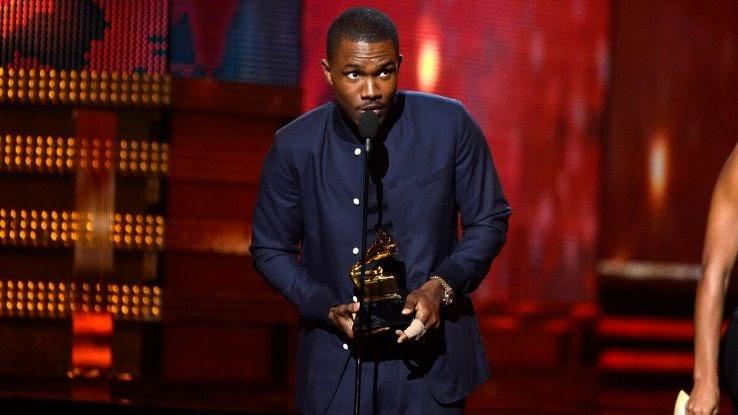
These concerns are real and valid, particularly in the context of a give-and-take that has historically been used to erase Black identities from music. As record labels and other industry groups begin navigating a earth without "urban," information technology's of utmost importance that they proceed intentionally creating space for Blackness employees and executives to ensure their voices are heard and their representation exists.
The Grammys Drop "Urban" — Sort Of
In a promising footstep forward, and mayhap arising from conversations most race that accept arisen post-obit protests over the murder of George Floyd, the Grammys opted to change the proper name of one award that previously used the term. Withal, "urban" is however in use in another award title. The Grammy Honour for Best Latin Popular, Rock or Urban Anthology has undergone some changes and merged with other categories but continues to include the term in its new Best Latin Pop or Urban Accolade championship. What exactly is meant by "urban" in this context — and why is it still there? Could there exist separate awards for Latin Popular, Latin Rock and whatever genre "Latin Urban" might exist instead of, once more, group relatively disparate musical styles together because they're by Latinx artists?
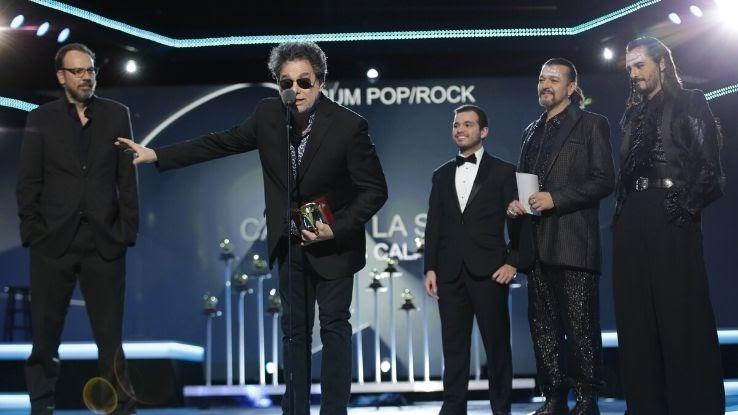
That "urban" was dropped in one category but not another is an interesting, if somewhat unexplainable, evolution. This could mean that the phasing out of the term's use volition be gradual. On the other hand, it could mean that there's not a consensus amongst those in the industry who are involved in these decisions, and they need to get on the aforementioned page. This inconsistency in naming awards besides brings upwardly the question of whether the changes were only fabricated to placate critics with the goal of reinstating normalcy, not of setting an example for a step toward positive change. At this early on stage, only fourth dimension will tell.
What Will the Future Hold for "Urban"?
The music industry and earth at large have undergone many changes since DJ Frankie Crocker first coined "urban gimmicky." When Crocker was broadcasting in the 1970s, the office of a DJ was so much more important to music culture than it is today. People didn't take the option to load upwards Spotify or Apple Music and choose a unmarried vocal or genre to mind to. DJs curated their playlists using a multifariousness of unlike styles and picked the music they felt would appeal most to their audiences. DJs lone were the ones who could select and mix the music that played on the radio, and grouping several genres together made far more sense in the 1970s and '80s than it does today.
But things are unlike now, and it's time for the music industry to play a niggling catchup in a globe where it's gotten used to dictating trends. The genres grouped together as "urban" are so diverse that oftentimes the but matter they have in common is the race of many of the artists, and it'southward time for the music industry to admit that variety in a way that's more meaningful. Forcing these genres under the aforementioned category for the sake of an award can experience insulting to the artists involved and to artistry itself. It'due south time for the industry to remove "urban" from its vocabulary completely and outset celebrating individual genres. And this needs to happen while the manufacture uses its power to secure spots for the Black executives currently working in "urban" departments — and the many more people of color it needs to hire in lodge to honor the diverseness it'south been capitalizing on for decades.
Source: https://www.ask.com/entertainment/grammys-removes-word-urban?utm_content=params%3Ao%3D740004%26ad%3DdirN%26qo%3DserpIndex
0 Response to "Sorry Were Not Able to Process the Label at This Time"
Post a Comment